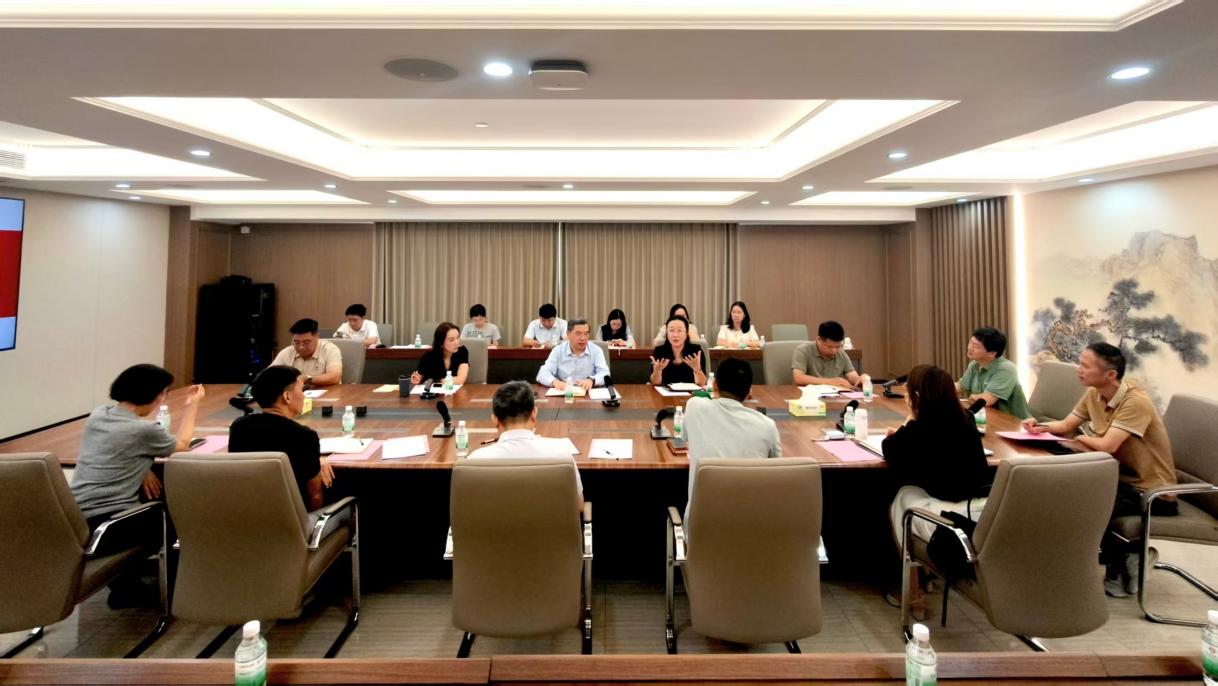
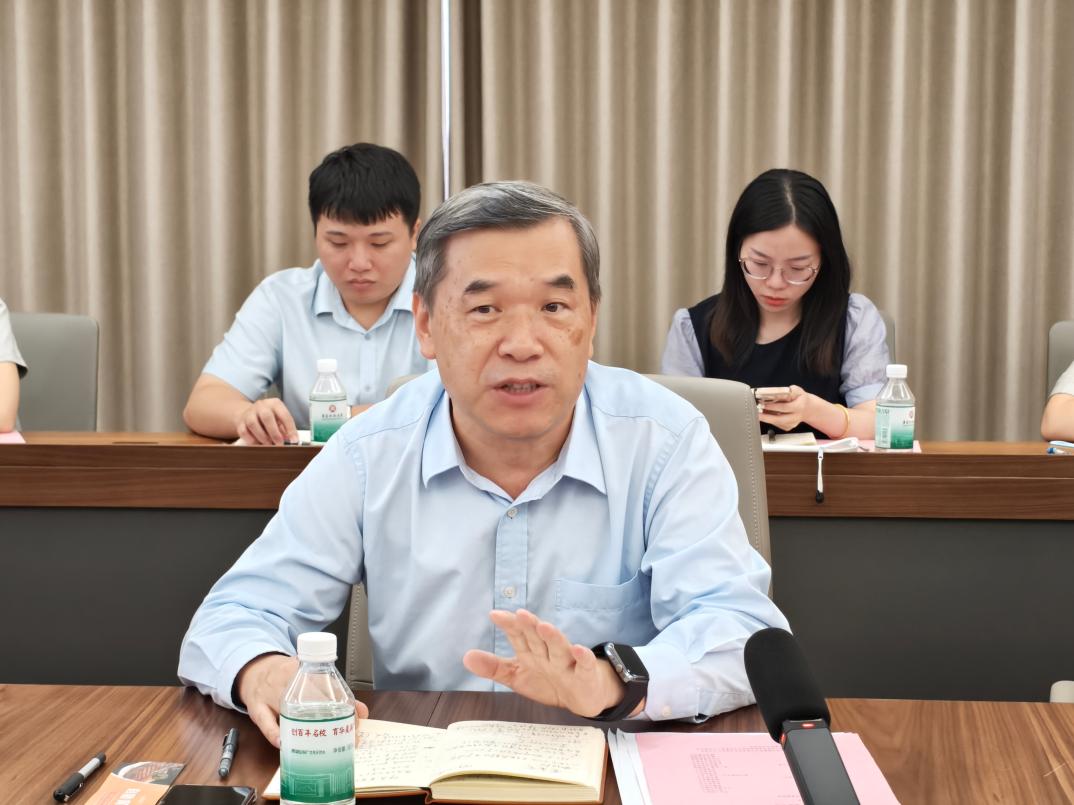
To promote the internationalization of school operations, standardize the cultivation of international students in China, unite the collaborative efforts of various departments, address and resolve practical issues in the education and management of international students in China, strengthen foreign-related risk prevention and control, and promote the quality improvement, efficiency enhancement, and stable and orderly development of international education in China, the Guangzhou Huashang College International Student Work Conference was held on September 15, 2026, in Conference Room 513 of the administrative building on the Guangzhou campus. Vice President Jiao Fangtai, representatives from the International College, International Exchange and Cooperation Office, Student Office, Academic Affairs Office, Finance Office, Logistics and Security Office, Experimental Teaching and Network Technology Management Center, as well as relevant departments and teaching units serving and managing international students such as the Digital Economics and Trade College, Artificial Intelligence College, and College of Literature attended the meeting.
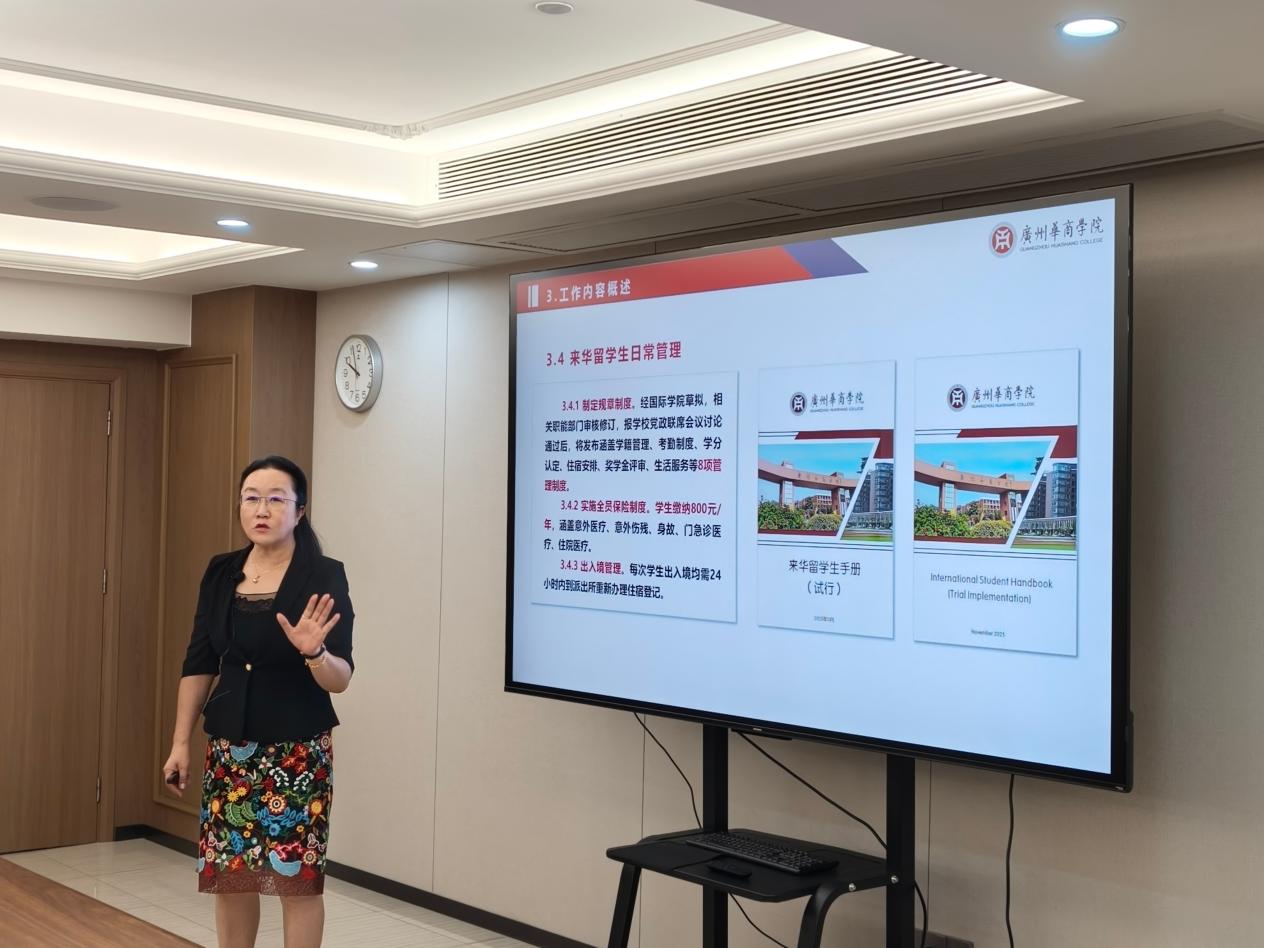
At the meeting, Hui Yanyan, Dean of the International College, systematically reviewed and reported on various aspects of work related to international students in China. The content included the progress of various tasks after the recruitment of international students in 2025, the enrollment situation for the 2026 class, future work plans, as well as problems encountered and suggestions for the management and service of international students in China. She mentioned that the majors for the 2026 enrollment of international students would be "International Business", "E-commerce", and "Artificial Intelligence". The international students would come from 34 countries across five continents, with a total number exceeding 150. Various aspects of work related to international students in China require close cooperation with the China Immigration Service, the Exchange and Cooperation Office of the Ministry of Education, Chinese embassies and consulates abroad, the Guangzhou Exit-Entry Administration Bureau, and the local police station of the school. There are high requirements for the quality of service and management team members, their foreign language proficiency, risk prevention and control capabilities, and international communication skills. It will also pose significant challenges to the school's faculty, especially those who teach in English. In addition, from 2028 onwards, all international students in China will be required to pass the Chinese Language Proficiency Test for Undergraduate Admission (CSCA), which will pose new challenges for both international students and universities. Facing the future, Hui Yanyan elaborated on the vision for education going global from the perspectives of joint cultivation of overseas dual degrees, short-term internship training, and the construction of overseas preparatory sites.
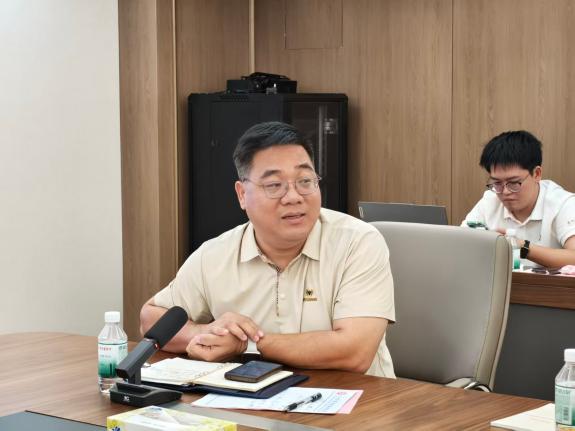
Subsequently, various departments engaged in thorough discussions regarding the issues encountered in the service and management of international students in China. They proposed solutions and measures for areas such as the renovation of English interface applications, teacher allocation and development, security and safety, dormitory management, financial payment, management teams, and overseas cooperation.
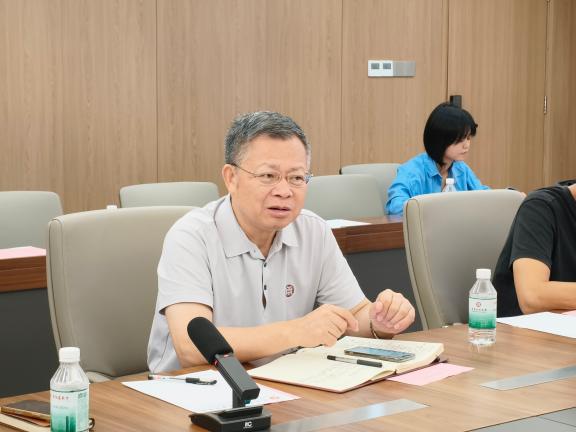
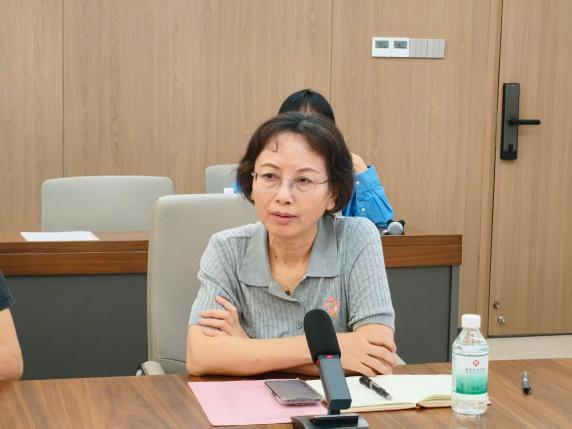

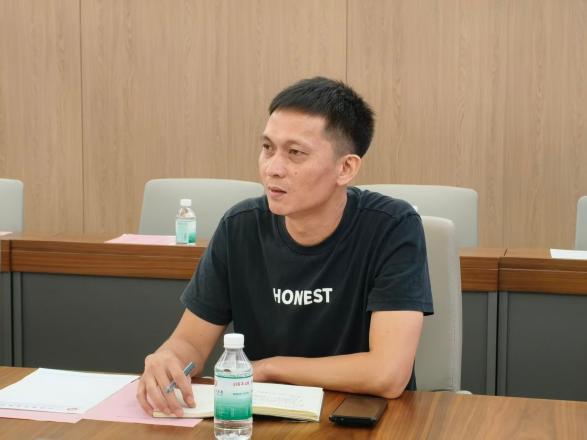

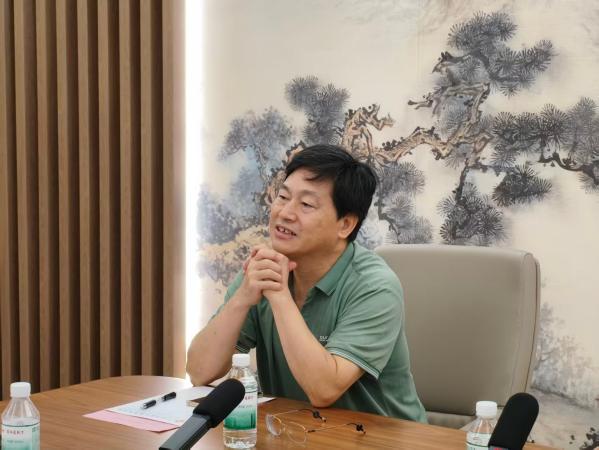
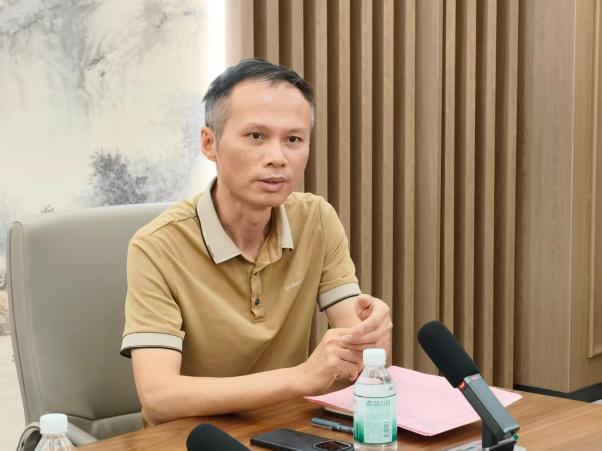
In his concluding speech, Vice President Jiao Fangtai affirmed the achievements in the construction of international student education in China over the past year and pointed out that academic education for international students in China is an important indicator of the internationalization level of universities and one of the key indicators in the QS ranking of universities worldwide. University leaders have emphasized in multiple meetings that internationalization is a crucial track for the high-quality development of private universities. The work related to international student education possesses dual attributes of teaching and foreign-related business, necessitating the entire university to foster a sense of collaborative work as a unified whole. All departments must strictly adhere to policies related to ideology, religion, and drug control, promptly report significant issues, and diligently undertake tasks such as reviewing original foreign language textbooks and providing foreign affairs training for teachers. They should also address shortcomings in information technology and logistics services, refine relevant systems, steadily expand overseas cooperation channels, and build a platform for exchange and mutual learning between Chinese and foreign youth. Furthermore, it is essential to continuously strengthen the foundation and essence of internationalization in education, propelling the internationalization of the university forward in a high-quality and orderly manner.
This meeting is an important task carried out after the school recruited international students to China. It plays a positive role in standardizing and promoting our school's international student education business, expanding educational channels overseas, and creating a multicultural atmosphere. It is also one of the important measures to implement the school's charter positioning of "based in the Guangdong-Hong Kong-Macao Greater Bay Area and facing the world".


